Stories and news

Zakat & Charity

Guides to Zakat, Sadaqah and memorial giving, the causes we support in Shigar and beyond, and updates from the field.

Illustration of a stone well with a roof and a bucket, for a lasting memorial gift, for giving in memory of a loved one
Zakat & Charity

Giving in memory of a loved one: how memorial gifts work

A memorial gift is charity given in a loved one’s name after their death, with the reward intended for them, a practice called isal-e-sawab that the Prophet himself endorsed. It works as a one-time dedicated donation, ongoing giving in their name, or a named fund that continues their memory.
Illustration of a school backpack with a pencil and a notebook, for using Zakat for education
Zakat & Charity

Can Zakat fund a student’s education?

Zakat can fund a student’s education, provided two conditions hold: the student is genuinely Zakat-eligible, below nisab, and the money passes into the student’s ownership, the condition scholars call tamlik. What Zakat cannot do, in the majority view, is fund an institution’s buildings or general budget.

Illustration of a house beside a fenced plot of land with a sale tag, for Zakat on property in Pakistan
Zakat & Charity

Zakat on property, plots, shares and business stock

Zakat on property follows one principle: intention and use decide, not the asset’s name. The house you live in carries no Zakat. A plot bought to resell is trading stock, zakatable at market value every year. A rented property carries Zakat on the saved rent, not the building.

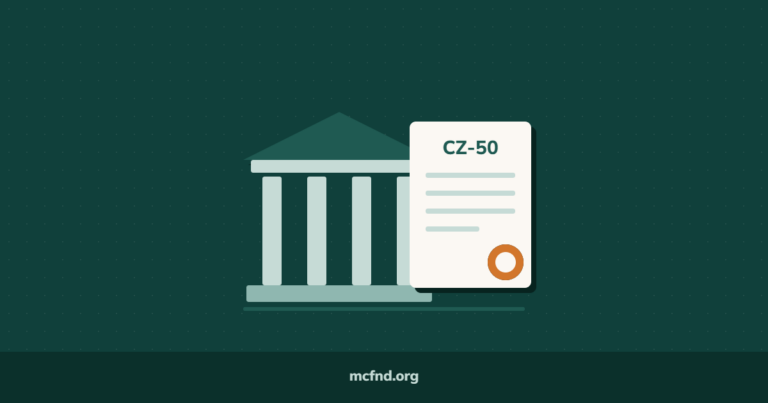
Illustration of a bank building with a declaration form labelled CZ-50, for bank Zakat deduction and the CZ-50 form
Zakat & Charity

Zakat deduction from bank accounts and the CZ-50 form

Banks deduct 2.5% Zakat at source from savings and PLS accounts on the first day of Ramadan, under the Zakat and Ushr Ordinance 1980, if the balance is at or above the official bank nisab. The CZ-50 is the sworn declaration that exempts an account from this deduction.

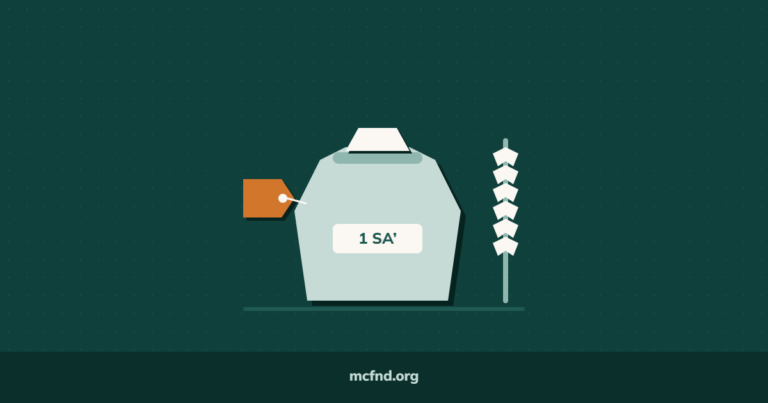
Illustration of a sack of wheat with a wheat stalk and a price tag, for the fitrana amount in Pakistan
Zakat & Charity

Fitrana: amount, who pays and when

Fitrana, properly Zakat al-Fitr, is a small compulsory payment due from every member of a Muslim household at the end of Ramadan, paid before the Eid ul-Fitr prayer. For Ramadan 2026, Pakistan’s Council of Islamic Ideology set the minimum at Rs 300 per person, based on wheat flour.

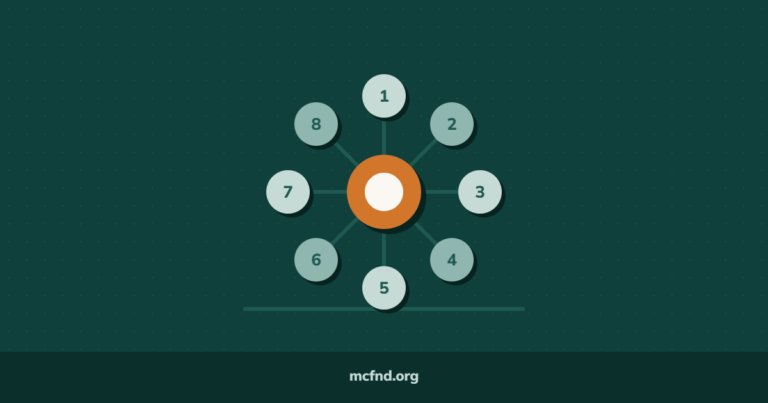
Illustration of eight circles arranged around a central circle, for the eight categories, for who is eligible for Zakat
Zakat & Charity

Who is eligible for Zakat? The eight categories explained

Zakat may only be given to the eight categories of people named in the Qur’an (At-Tawbah 9:60): the poor, the needy, Zakat administrators, those whose hearts are to be reconciled, those in bondage, those in debt, in the cause of Allah, and the stranded traveller. Giving outside these categories does not count as Zakat.

Help write the next story

Your Zakat, Sadaqah or Atiyya funds the work you read about here.

Give now