Programme 02 · Since 2021
Clean drinking water for villages in Shigar and Ghanche
Motorised borehole units in the villages of district Shigar and Ghanche, built with each community and run by it. Every project is shared 50:50 with the village and checked on site by our technical team before it is built.
- 15+
- villages with clean water and healthcare
- 50:50
- cost shared with each community
- 100%
- reliable source required before we build
- Since 2021
- in district Shigar, Gilgit-Baltistan
Why water comes first
Why clean water comes first
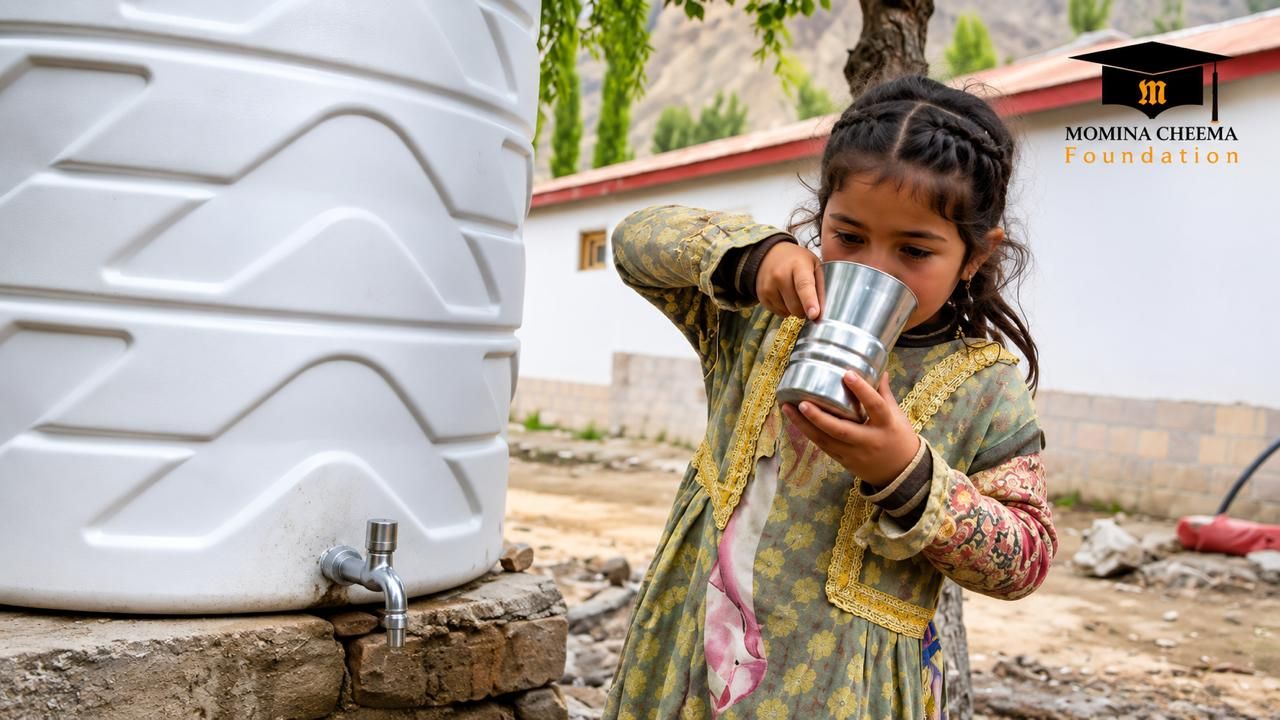
Shigar is the gateway to the Karakoram, and its people are as resilient as the mountains around them. But much of the water that reaches its villages carries silt, and families have lived with the illness that follows, including diarrhoea in young children.
When the people of Shigar reached out to us in 2021, clean water became the first of four areas of our work there, alongside healthcare, education and disaster relief. It is still the foundation for the rest.
How a project is built
How a water project is built
Each system is a joint venture with the village. That shared stake is what keeps it running long after the drilling team has gone.
The community applies
A village or beneficiary area asks to be considered and commits to its half of the cost.
We verify the site
Our technical team inspects the source, the power supply and the site, and reports to the Board.
We drill and build
Boring and drilling, a submersible pump on a motorised unit, and a storage tank close to homes.
The village owns it
The finished system belongs to the community, which runs and looks after it.
Water Project Selection Merit Criteria
How we choose where to build
These criteria are approved by the MCF Board (Version 1.0) and are the official basis on which every community water project is evaluated and prioritised.
Guaranteed water availability
A project is only considered where a 100% reliable water source is available. Priority goes to sites near a river or another sustainable, verified source.
Electricity availability
The site must have an existing electricity pole (grid connection) at or near it, so the system can run efficiently and sustainably.
Joint Venture, shared 50:50
Every project is cost-shared. The community or beneficiary area contributes 50% of the total cost, and MCF funds the remaining 50% through donor support.
Technical site verification
Sites that meet the criteria above are inspected by an authorised MCF technical team, which verifies the water source, the electricity pole, the suitability of the site and other technical requirements. Findings go to the MCF Board.
Subject to donor approval
We plan development projects one to two years in advance. Implementing any approved project depends on donor availability, funding commitments and project priorities.
Meeting the criteria is the first step, not a guarantee
Communities that meet every requirement and pass technical verification are placed on the official MCF Water Project Merit List. Final approval and implementation depend on donor funding, project priorities and our implementation schedule.
Read how a village in Shigar gets clean water for the full story of one project.
On the ground
Projects on the ground
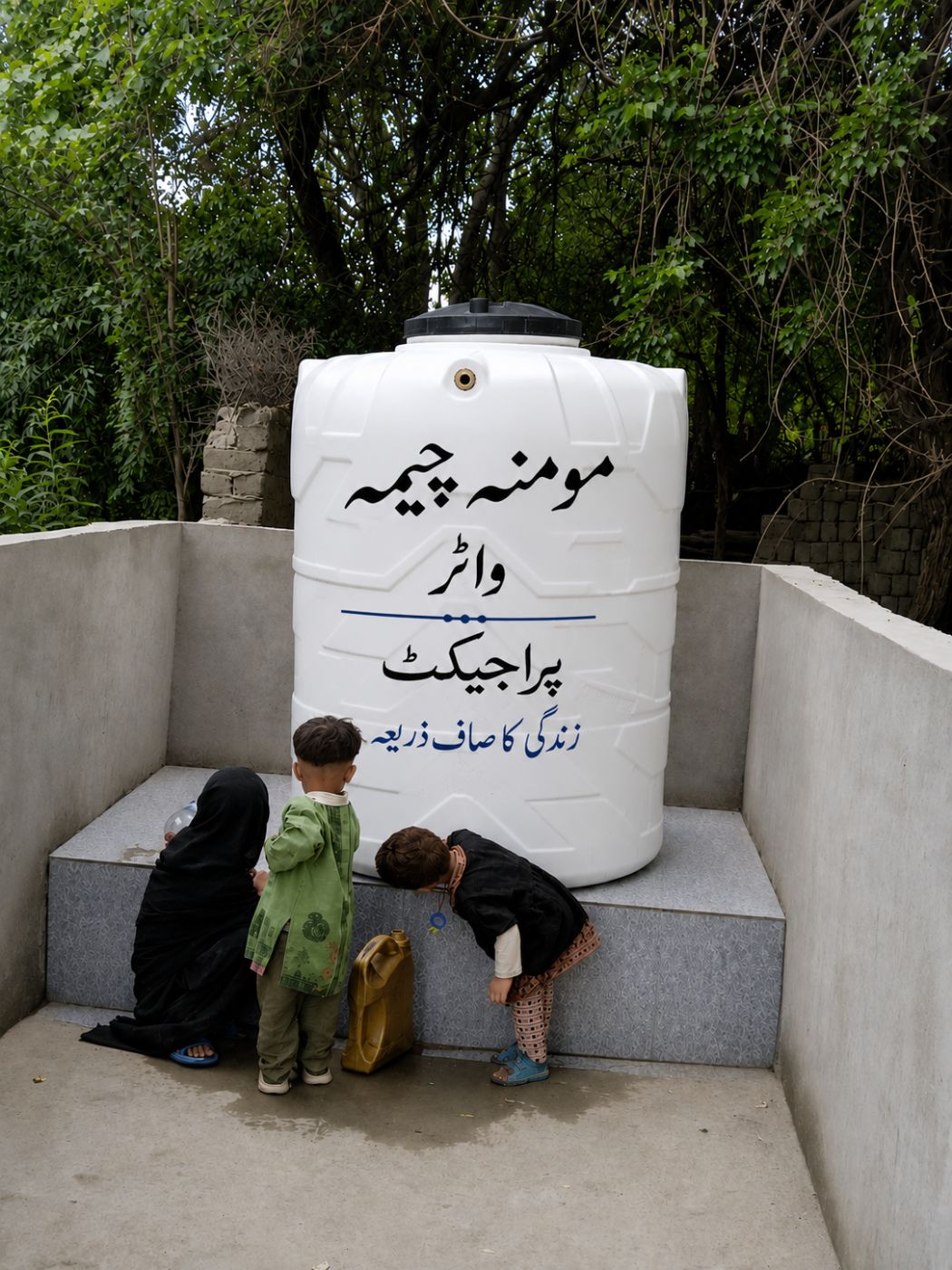
Each project is marked with a Momina Cheema Water Project signboard, so the community, and anyone passing through, can see who built it and why.
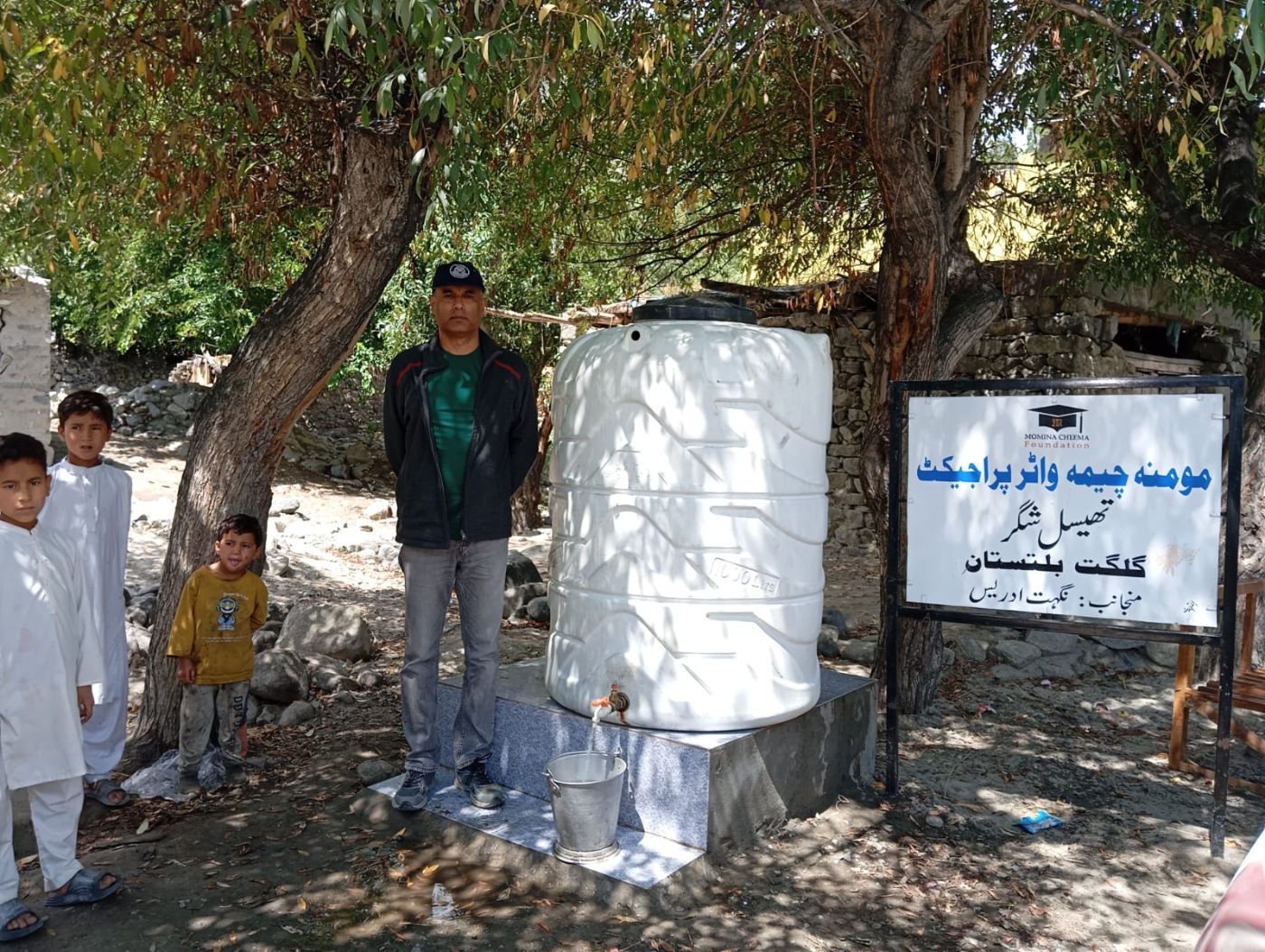
Momina Cheema Water Project
A signboard marking a completed community water project.
View full photo →
Marked for the village
Signage at a community water site in district Shigar.
View full photo →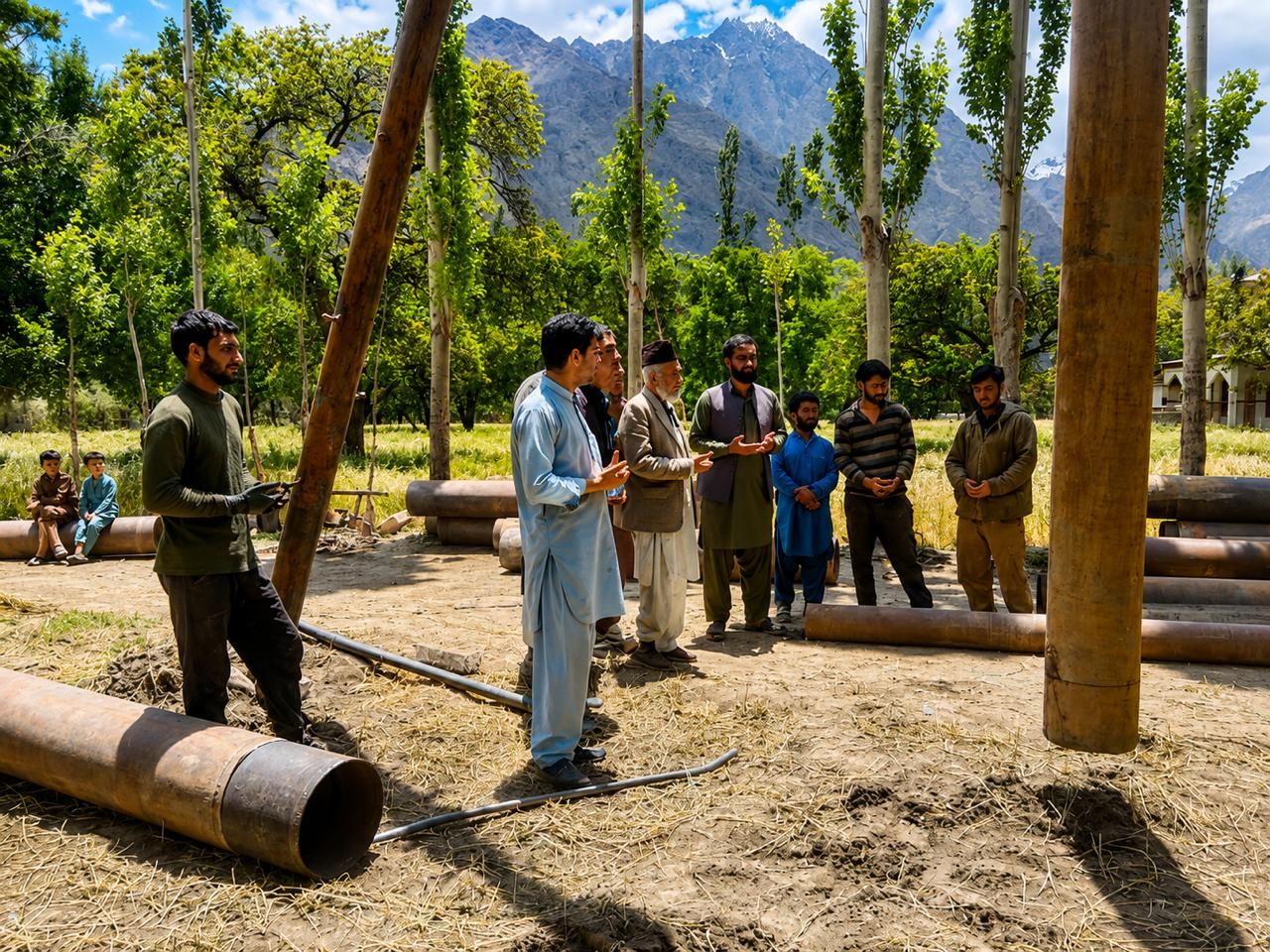
Laying the pipeline
Connecting the borehole and tank to the homes they serve.
View full photo →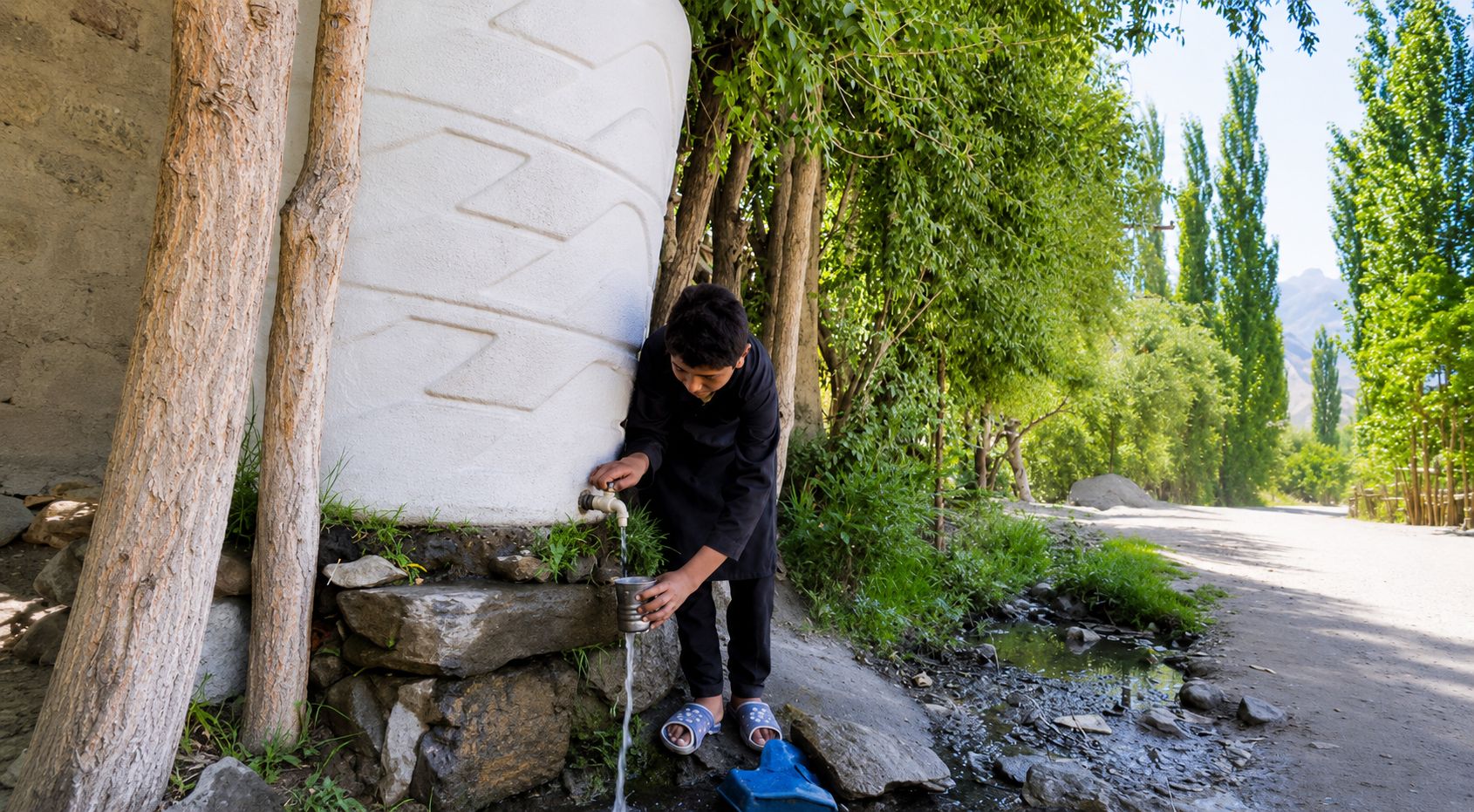
Our programmes
Our other programmes
“We could not bring Momina back, so we chose to keep her purpose alive.”
Tayyeba Zia Cheema, Founder & CEO, and Momina’s motherEvery programme is run and reported on its own, so you can see where your gift goes. Gifts are fully Zakat-eligible, and gifts through our US 501(c)(3) affiliate are tax-deductible.