
Last updated: 13 November 2026
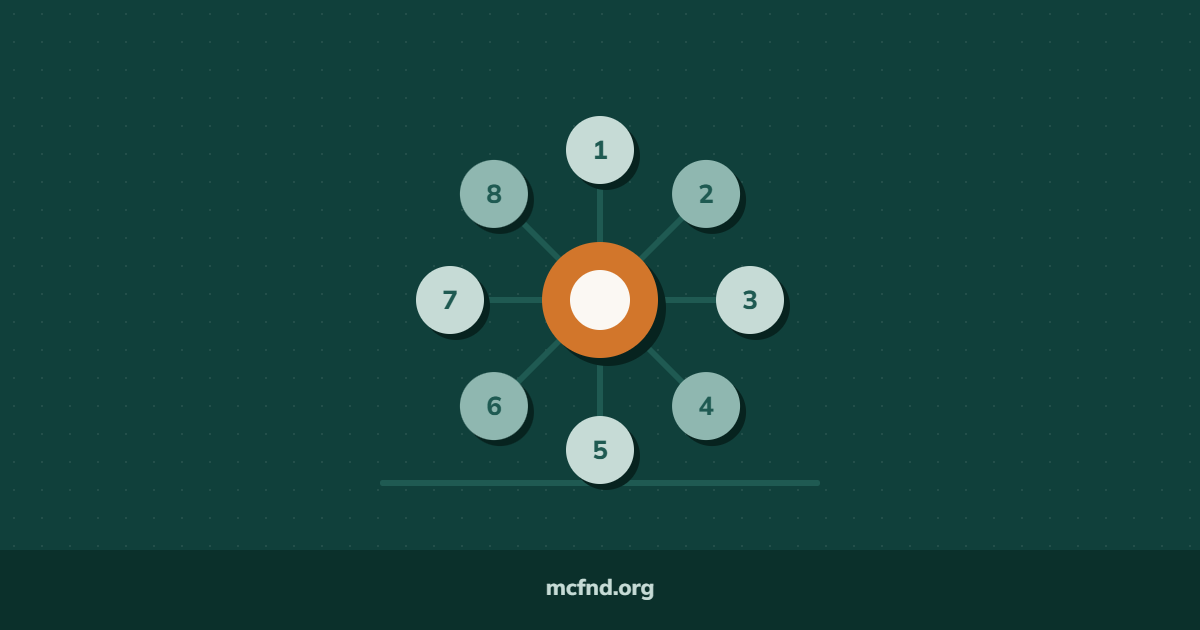
Zakat may only be given to the eight categories of people named in the Qur’an, in Surah At-Tawbah (9:60): the poor (al-fuqara), the needy (al-masakin), Zakat administrators (al-amilina alayha), those whose hearts are to be reconciled (al-muallafati qulubuhum), those in bondage (fir-riqab), those in debt (al-gharimin), in the cause of Allah (fi sabilillah), and the stranded traveller (ibn as-sabil). Giving outside these categories does not count as Zakat.
This guide explains each category in plain language, with the Pakistani situations families actually ask about. It expands the recipients section of our plain guide to Zakat, Sadaqah and Sadaqah Jariyah, which covers calculation, nisab and the rest of the rules.
In short
- The eight categories come directly from Qur’an 9:60 and are a closed list, not examples.
- In Pakistan, most Zakat goes to the first two groups, the poor and the needy, and to people in debt.
- Most scholars hold the recipient must be a Muslim who is not your dependant, and that Zakat must become the recipient’s property (tamlik).
- Your parents, children and spouse cannot receive your Zakat; eligible siblings and relatives can.
- Mosques and building projects are not themselves recipients, in the majority view, because no person takes ownership.
Where does the list of eight come from?
From the Qur’an itself. Surah At-Tawbah (9:60) states that sadaqat, meaning obligatory Zakat here, are only for these eight, “an obligation from Allah”. Because the verse uses an exclusive form, scholars across the schools treat the list as fixed: Zakat is valid only when it reaches one of these groups.
The Prophet ﷺ confirmed the direction of the duty when he sent Mu’adh ibn Jabal to Yemen, instructing him that charity is “taken from their rich and given back to their poor”, recorded in Sahih al-Bukhari (1496). Zakat moves wealth from those above the nisab to those below it.
The eight categories, one by one
| Category (Arabic) | Who it means | Common Pakistani examples |
|---|---|---|
| The poor (al-fuqara) | People whose wealth is below the nisab and cannot meet basic needs | A widow with no income; a labourer’s family with no savings |
| The needy (al-masakin) | People in hardship who may not ask, often with some income that does not suffice | A household earning less than its rent, food and school costs |
| Zakat administrators (al-amilina alayha) | Those appointed to collect and distribute Zakat | Classically, the state’s collectors; scholars differ on how far this applies to charity staff today |
| Hearts to be reconciled (al-muallafati qulubuhum) | People drawn closer to Islam or whose harm is averted | Rarely applied individually today; scholars differ on its current scope |
| Those in bondage (fir-riqab) | Freeing enslaved people and captives | Historically slaves; some contemporary scholars include victims of bonded labour and trafficking |
| People in debt (al-gharimin) | Those whose debts exceed what they own, taken for lawful needs | Medical debt; a family that borrowed for rent, fees or a funeral |
| In the cause of Allah (fi sabilillah) | Classically those striving in Allah’s path; many scholars include poor students of religious knowledge | Supporting an eligible madrasa student’s living costs, with ownership passing to the student |
| The stranded traveller (ibn as-sabil) | A traveller cut off from their money, even if wealthy at home | Someone robbed mid-journey; a stranded worker unable to return home |
Two of these, the administrators and hearts-to-be-reconciled categories, carry real scholarly discussion today. If your giving depends on either, ask a scholar you trust rather than relying on a general article, ours included.
Who cannot receive your Zakat?
Three exclusions cover most family questions:
- Your own dependants. Parents, grandparents, children, grandchildren and your spouse cannot receive your Zakat, in the view of most scholars, because supporting them is already your duty. Help them from other money.
- People at or above nisab. Zakat is for those below the threshold. A person who owns zakatable wealth at nisab level pays Zakat; they do not receive it.
- The family of the Prophet ﷺ (Banu Hashim). Classical fiqh excludes sayyid families from receiving Zakat, a point many Pakistani households take seriously; support them with gifts and sadaqah instead.
Most scholars also hold that Zakat goes to Muslims, since it is taken from Muslims’ wealth and returned to their poor, as in the Mu’adh hadith. Sadaqah, by contrast, can be given to anyone.
Can I give Zakat to my brother, sister or other relatives?
Yes, if they are eligible. Siblings, uncles, aunts, cousins, nephews and nieces who live below nisab can receive your Zakat, and many scholars note a double reward: charity and upholding family ties. The exclusion applies only up and down your direct line, and to your spouse.
Be honest in assessing eligibility. A relative who is struggling this month but owns gold above nisab is not a Zakat recipient; help them another way.
What is tamlik, and why does it decide so many cases?
Tamlik means making the eligible person the owner of the Zakat. The majority position, held firmly in the Hanafi school followed by most Pakistanis, is that Zakat is only discharged when an eligible individual takes ownership of the money or goods.
This single principle answers most hard questions:
- Mosque construction: no individual takes ownership, so most scholars say Zakat cannot fund the building itself.
- Hospitals and schools as buildings: same reasoning; but Zakat can pay for an eligible patient’s treatment or an eligible student’s costs, because a person receives it.
- Charity overheads: salaries and running costs paid out of Zakat are debated; many scholars require Zakat funds to be kept for direct transfer to eligible people. Ask how a charity ring-fences its Zakat before you give; the basics of choosing where to give are in the main Zakat guide.
Whether Zakat can pay a student’s fees, and how tamlik is satisfied through a representative, is a question big enough for its own guide: see can Zakat fund a student’s education?
How do I actually find eligible people?
Start close and widen. The order many scholars recommend:
- Eligible relatives first, for the double reward.
- Neighbours and your local community: a domestic worker’s family, a labourer you know, a widow on your street. Ask quietly; the masakin often do not ask.
- A trusted organisation for needs you cannot reach yourself, such as medical debt or students in another city. Tell them clearly the money is Zakat, so it is ring-fenced for eligible recipients.
If you live abroad, the mechanics of sending it are covered in our Ramadan giving checklist for overseas Pakistanis.
Where MCF fits in
Momina Cheema Foundation accepts Zakat and keeps it for Zakat-eligible uses, stated clearly at donation. Our scholarship model works through partner universities, whose financial aid offices identify students in genuine financial need; fees are paid for selected students rather than handed to institutions as general funds. If you wish to give, you can make a donation and mark it as Zakat.
Frequently asked questions
Can Zakat be given to non-Muslims?
Most scholars say obligatory Zakat is for eligible Muslims, based on the Mu’adh hadith, with a minority discussion around the hearts-to-be-reconciled category. Voluntary sadaqah can be given to anyone of any faith, and generosity to non-Muslim neighbours is itself encouraged. If this question is live for you, ask a scholar you trust.
Can I give Zakat to my domestic worker?
Yes, if they are below nisab, and most household staff in Pakistan are. Two cautions: Zakat cannot replace the wages you owe them, and classical Hanafi texts also exclude giving your Zakat to your own servant where it functions as compensation for service. Give it as clearly separate help, not as salary.
Does a person who owns a house qualify for Zakat?
Owning the home you live in does not disqualify you, because personal-use assets, the house, car and furniture, do not count toward nisab. A family in their own small house with no savings and income below their needs can be eligible. Extra property held as an investment is a different matter and does count.
Can Zakat pay off someone’s loan directly to the lender?
The debtor category exists exactly for this, but the Hanafi position prefers the eligible debtor to receive the Zakat and pay the lender, satisfying tamlik. Paying the lender directly with the debtor’s consent is accepted by some scholars as the debtor’s agency. Where possible, route it through the debtor’s hands.
Is it better to give Zakat to one person or spread it?
Both are valid. Many scholars prefer giving one eligible person enough to actually change their situation, clearing the debt or covering the full fee, over scattering small amounts. What matters is that each recipient is eligible and takes ownership of what you give.
Sources
All checked on 13 November 2026.
- Qur’an, At-Tawbah 9:60: the eight categories
- Sahih al-Bukhari 1496: the Mu’adh hadith, taken from their rich and returned to their poor
- National Zakat Foundation: who receives Zakat
- Darul Iftaa Birmingham (via IslamQA): tamlik conditions when Zakat covers fees
- MCF: Zakat, Sadaqah and Sadaqah Jariyah, the plain guide
How this guide was put together
I checked each category against Qur’an 9:60 and the cited hadith and fatwa sources, and noted where schools of thought differ rather than choosing between them, on 13 November 2026. This is general religious information, not a fatwa; for your own case, ask a scholar you trust. Kiran Yahya, Momina Cheema Foundation.