
Last updated: 11 November 2026
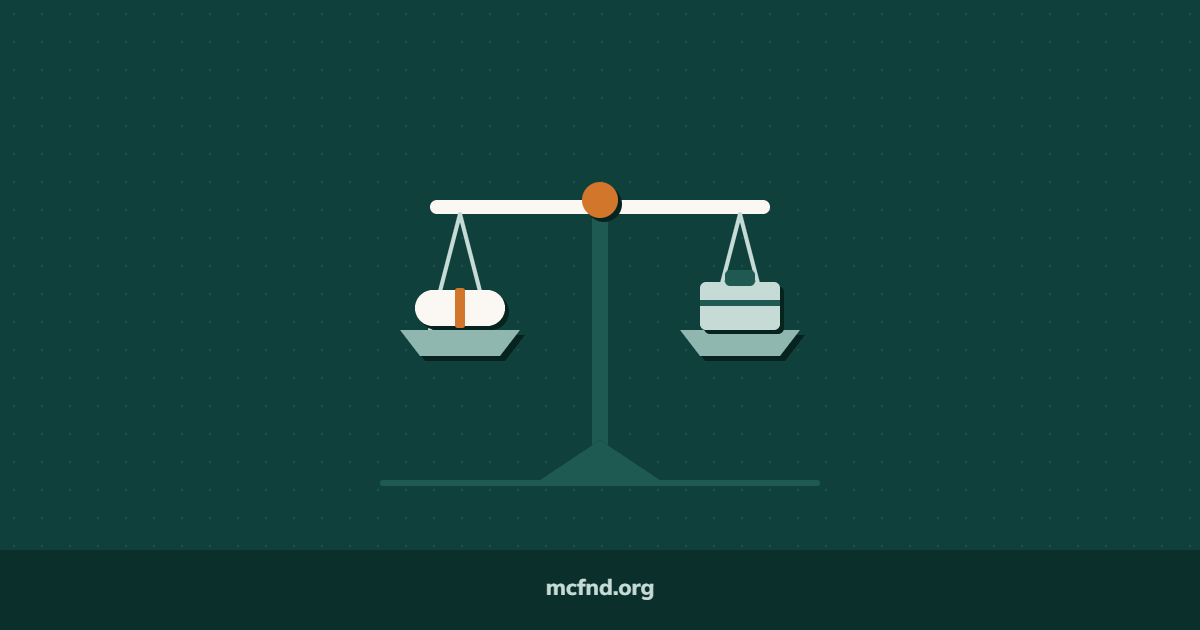
You do not have to choose between a degree and a skill. In Pakistan, the strongest position for most students is both: a degree for credentials, eligibility and options, and a practical skill for income, proof of ability and independence. The real question is scheduling, and the honest answer is that both fit if you treat the skill as a steady 6 to 8 hours a week, not a second degree.
This guide follows our free Skill Path career counselling tool, which helps you pick the skill and plan the week. Here we deal with the argument itself: what a degree gives, what a skill gives, and how to run them side by side without wrecking either.
In short
- A degree still matters in Pakistan: many jobs, scholarships and further study require one, and it protects your options for decades.
- A degree alone is not enough: graduate unemployment was 18.3% in the 2024–25 Labour Force Survey, higher than the national rate.
- A skill gives income and proof of work, but without a degree some doors stay closed, especially in government and formal employment.
- Doing both means one skill, a fixed weekly slot, and exam-season pauses planned in advance.
- Free routes exist for the skill: DigiSkills online, NAVTTC courses, and free tools for practice.
Is a degree still worth it in Pakistan?
For most students, yes, but not for the reason usually given. A degree is not a job ticket. It is an eligibility ticket: for professional licences, government posts, scholarships, further study and many formal private jobs, no degree means no entry, whatever your talent.
The job-ticket view does not survive the data. Gallup Pakistan’s analysis of the Pakistan Bureau of Statistics Labour Force Survey 2024–25 found graduate unemployment at 18.3%, higher than the overall rate of 14.7%. Among graduates aged 20 to 24 it was 32.8%, and young women graduates faced far higher rates than men. Unemployment falls sharply as graduates age, which suggests the early years after graduation are the hardest.
So the honest statement is: a degree protects your long-term options, and fails many people in the short term. That short-term gap, the two to five years when a fresh graduate has a certificate and no income, is exactly what a practical skill covers.
What does a skill give you that a degree doesn’t?
A skill gives you three things a degree cannot: income before graduation, proof of ability an employer can see, and independence from the job market’s timing.
- Income while studying. A student who can design, write, edit video or build simple websites can earn during the degree, when a classmate is only spending.
- A portfolio. Degrees say you passed exams. A portfolio shows what you can do. When both candidates hold the same degree, the one with visible work usually wins.
- A fallback that is yours. If the job market is bad the year you graduate, a working skill means you are not waiting at zero.
- Faster feedback. A degree tests you twice a year. A client tells you within a week whether your work is good enough.
What a skill alone does not give: eligibility. Without the degree, government service, most formal employers, professional licences and almost all scholarships stay closed. Dropping out for freelancing trades decades of options for early income, and is the wrong trade for most people.
Degree, skill, or both: the honest comparison
| Degree only | Skill only | Both | |
|---|---|---|---|
| Income during student years | None | Possible within months | Possible within months |
| Eligibility for jobs, licences, scholarships | Full | Limited | Full |
| Proof of ability for employers | Certificate only | Portfolio | Certificate and portfolio |
| Risk if the job market is weak | High | Medium | Lowest |
| Cost | Fees and years | Time, often free to learn | Fees, years, plus 6–8 hours a week |
| Main danger | Graduating with nothing to show | Closed doors later | Overload in exam season |
How do I fit a skill around my degree?
Treat the skill like one fixed course: one skill, a set weekly slot of 6 to 8 hours, and a plan for exam season agreed in advance. Students fail at this by overcommitting, not by lacking time.
- Pick one skill only. Splitting time across design, SEO and video in the same semester slows all three. Our guide to choosing a freelance skill has a 10-minute method.
- Fix the hours. Two evenings and one weekend morning is enough. Put them on the same timetable as your classes.
- Plan the pause. Decide now that in exam weeks the skill drops to zero or to one maintenance hour. A planned pause does not kill momentum; an unplanned collapse does.
- Tell clients your limits once you start earning. “I deliver within five days” is a schedule a student can keep. Same-day promises are not.
- Protect the degree. If your grades slip two semesters running, cut the skill hours, not your sleep. The degree is the part you cannot redo cheaply.
Parents often worry that a skill will hurt studies. The worry is fair, and the fix is the fixed slot and the planned pause, agreed with them openly. Our parents’ guide to freelancing covers that conversation.
Where can I learn a skill for free alongside my degree?
Free, legitimate routes fit a student timetable better than paid academies, because you lose nothing when exams force a pause.
- DigiSkills.pk is online and self-paced, with weekly content you can watch at night. Its Batch 5 opened for enrolment on 2 November 2026 and starts on 1 December 2026.
- NAVTTC courses are free and certified, but most require full-time weekday attendance, so they fit semester breaks or a gap period better than mid-semester. Our guide to free NAVTTC courses explains the application cycle.
- Free vendor courses work for specific skills. For example, our SEO skill guide maps a path using only free courses from Google, Ahrefs, HubSpot and Semrush.
- In Gilgit-Baltistan, see our guide to free courses in GB, including MCF’s own centre in Shigar.
Whatever route you choose, check it is genuine before you pay anything or share your CNIC. Our guide to online earning scams lists the warning signs.
When is skill-first actually the right call?
Sometimes the degree is not available right now: fees cannot be met, admission was missed, or family circumstances demand income first. Then skill-first is not a failure. It is a sequence.
If that is your situation:
- Learn one marketable skill seriously, using the free routes above.
- Keep the door open: private candidacy, evening programmes, or admission next cycle. A degree started at 21 closes almost no doors in Pakistan.
- Check scholarships before deciding fees are impossible. Need-based support exists at many universities. Our complete scholarship guide shows what is available.
- Do not pay for shortcuts. No course, degree or certificate bought on a promise of guaranteed income is real.
How MCF sees it
At Momina Cheema Foundation we fund women’s university education, through scholarships paid directly to partner institutions since 2011, and we run a free NAVTTC-affiliated training centre in Shigar teaching practical courses. We invest in both because students need both: the degree that keeps doors open and the skill that pays before the degree does.
Our free Skill Path tool was built exactly for this guide’s question. It helps you choose one skill and plan a weekly schedule that fits around classes.
Frequently asked questions
Will freelancing hurt my grades?
It can, if hours are unlimited and deadlines are client-driven. It usually doesn’t when the skill has a fixed weekly slot, a planned exam-season pause, and delivery times you can keep as a student. If grades slip for two semesters, cut skill hours first. The degree is the harder thing to recover.
Which is better for jobs: a degree or a certificate?
For eligibility, the degree, almost always: government posts, licences and most formal employers require it. For getting picked among eligible candidates, visible work matters: a portfolio, real projects, an internship. Certificates alone carry little weight. The combination of degree plus demonstrated skill beats either alone.
Should I take a gap year to learn a skill?
Usually a deliberate semester-by-semester plan beats a full gap year, because a skill needs only 6 to 8 steady hours a week. A gap year makes sense when admission timing forces one anyway, or when family finances require a year of income first. If you take one, fix a return date and keep documents ready for the next admission cycle.
Can I do a NAVTTC course during my degree?
Mid-semester, usually not: most NAVTTC courses require full-time weekday attendance for about three months. They fit long breaks, a gap period, or right after graduation. During the semester, online self-paced options such as DigiSkills fit better. Ask the institute about evening batches before ruling it out.
My parents say studies only. What do I tell them?
Show them a plan rather than an argument: one skill, two fixed evenings and a weekend morning, a full pause in exam weeks, and grades reviewed together each semester. Most parents object to the lack of limits, not to the skill. Our parents’ guide to freelancing is written for exactly that conversation.
Sources
All checked on 11 November 2026.
- Gallup Pakistan Digital Analytics: graduate unemployment, from the PBS Labour Force Survey 2024–25
- DigiSkills.pk: Batch 5 enrolment and start dates
- NAVTTC: Skills of Tomorrow eligibility and attendance requirements
How this guide was put together
I read the top-ranking pages on the degree-versus-skill question in Pakistan, checked the employment figures against Gallup Pakistan’s published analysis of the PBS Labour Force Survey 2024–25, and verified course logistics on official pages, on 11 November 2026. MCF facts come from the Foundation’s own records. Kiran Yahya, Momina Cheema Foundation.